Always accessible vs reachable on arrival: what the berth clause promises
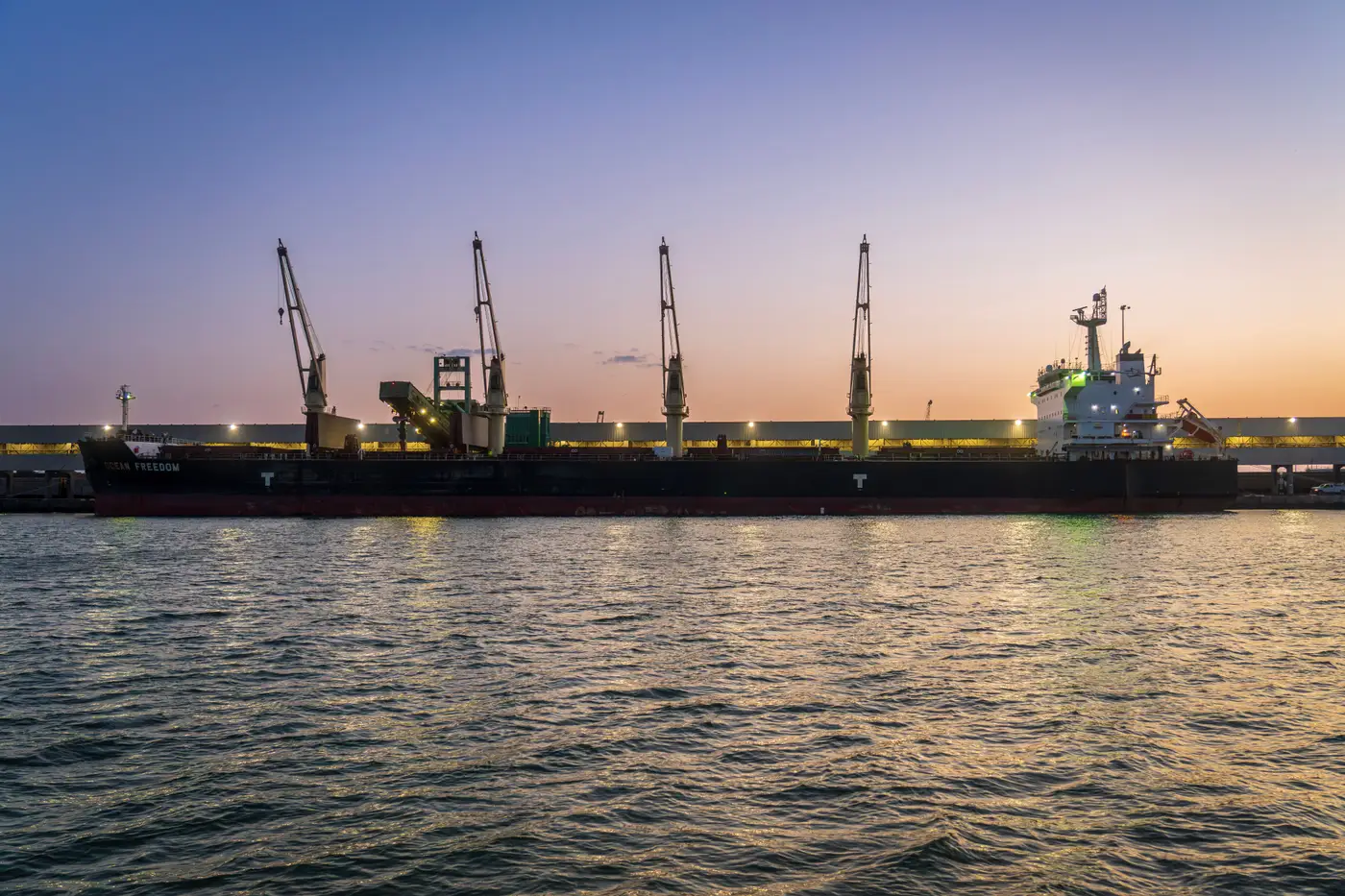
Two phrases do most of the heavy lifting in a berth clause, and traders mix them up more often than the wording suggests they should. "Always accessible" and "reachable on arrival" sound like they're pointing at the same thing: can the vessel get to the berth. They're not promising the same thing at all, and the difference decides who eats the delay when a berth is tied up or the channel's backed up.
What "reachable on arrival" covers
A reachable on arrival clause is an assurance about the moment the vessel shows up. The charterer is telling the owner: when your ship arrives, there will be a berth it can reach. If the vessel turns up and the designated berth isn't reachable, that's a breach of the charter party and time lost sits on the charterer's account, not the owner's. It typically runs as "laytime not to count" language tied to the specific delay.
The catch is in the word "arrival." The clause only bites at the point of arrival. It says nothing about what happens to the vessel once it's been accepted at the berth, or whether it can get back out again. A port can be perfectly compliant with a reachable on arrival clause and still leave a vessel swinging at anchor for days before that arrival moment is ever triggered, because the berth genuinely wasn't free yet when the ship got there. The charterer's exposure under this clause is narrow: it's about the single event of reaching the berth, not the queue that built up to get there.
What always accessible adds on top
Always accessible is the broader promise. It covers getting in, and it covers getting out. A berth that's reachable when the vessel arrives but then can't be left again, because of tide restrictions, a departing vessel blocking the channel, or port authority scheduling, breaches an always accessible warranty even though it never breached a reachable on arrival one. Owners push for this wording precisely because it closes the gap reachable on arrival leaves open: it doesn't let the charterer off the hook just because the vessel got in.
This is why the two terms aren't interchangeable in a fixture, and why a charterer reading a recap that says "berth reachable on arrival" should not assume the broader protection is there. If the fixture is silent on departure, or uses reachable on arrival without the always accessible language layered on top, the owner has no remedy for a vessel that gets stuck once it's alongside. That risk gets priced somewhere, usually back into freight or demurrage terms, and it's worth knowing which clause you fixed on before a dispute forces the point.
Where the laytime risk sits
Neither clause does anything about the time a vessel spends at anchor before it's even presented for berthing, unless the charter party separately addresses waiting time at the anchorage. That's the piece most disputes turn on. A vessel can sit in a queue for a week, fully compliant with both an always accessible and a reachable on arrival clause, because the clock on either promise hasn't started yet. The charterer's demurrage exposure is building the whole time the vessel waits, and the agent's telex reporting that wait usually lags the reality on the water by a day or more.
That lag is the gap a charterer needs to manage. The berth clause tells you who's liable once a dispute reaches a demurrage claim. It doesn't tell you, in real time, how long the queue outside the port is right now, or whether it's getting longer or shorter while the laytime clock runs. Port Congestion Watch tracks that queue directly, counting vessels at anchor outside named ports day over day so a charterer can see the build-up before the agent's update confirms it.
If you're negotiating demurrage exposure on a fixture with either clause in it, knowing the anchorage picture in real time is worth more than knowing the clause wording by heart. Port Congestion Watch keeps a daily count on the ports you're tracking, so you're not waiting on the telex to find out the queue already moved.