Field notes: the typhoon that parked a dozen vessels outside the same anchorage
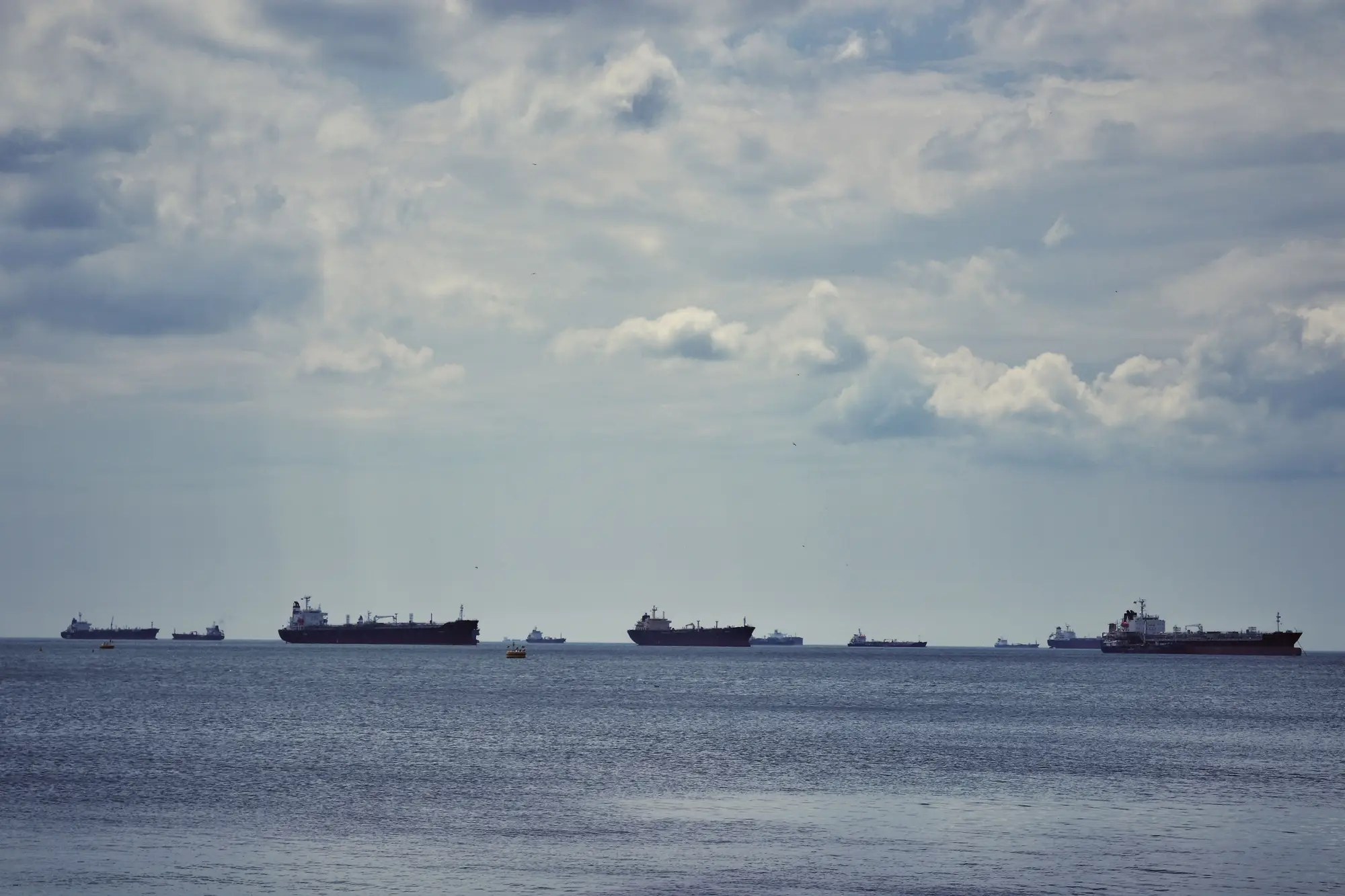
Every typhoon season produces the same small drama. A storm signal goes up at a terminal on the East China coast, pilotage suspends, and within eighteen hours an anchorage that normally holds four or five vessels is carrying a dozen. Anyone who's chartered through a few typhoon seasons has seen some version of this story. What's harder to pin down, unless you're watching the anchorage itself, is how long the dozen stays twelve.
The textbook version goes: signal up, signal down, berths clear, queue drains over two or three tide cycles, business as usual. What happens at the anchorage is messier than that. Pilotage can resume before the swell inside the breakwater has settled enough for a laden bulker to come alongside safely, so the port is technically open and nothing moves for another day. Draft restrictions tighten after a storm because silting shifts the approach channel, which means the Capesize that was third in line suddenly needs a tide window it wasn't counting on. And agents, who are working their own backlog of NOR tenders and SOF disputes from three other vessels, are not always the first to notice that the anchorage count hasn't come down.
That gap between "port reopened" and "queue cleared" is where a few days of unbudgeted waiting time gets born. A charterer who's planned a laycan around the storm closing and reopening on schedule can find the vessel is still fourteenth in a line that was supposed to be third by now, and nobody flagged it because the telex cycle runs on whoever's desk the agent gets to first.
What struck me watching one of these pile-ups build was how uneven the clearing was once the all-clear came. It wasn't a steady drain. Four vessels went in on the first tide, nothing moved for a day and a half while a crane issue at the terminal got sorted, then six went in over an afternoon. A count taken the morning after reopening would have shown the queue barely changed from the storm peak and told you nothing about whether that was a berth problem, a tide problem, or just bad luck in the order of operations. A count taken daily across that whole stretch told you exactly where the bottleneck sat and roughly how many days a vessel sitting at position eight was going to burn.
The other thing worth noting: vessels don't always queue where you'd expect once a storm's been through. A couple of ships that had been holding well outside the designated anchorage, playing it safe on sea room during the signal, didn't come back in to rejoin the formal line straight away. They sat loose for another tide, which meant anyone counting heads at the usual anchorage boundary would have undercounted the real queue by two vessels for the better part of a day. It's a small thing, but it's the kind of small thing that turns a demurrage estimate from close-enough into wrong.
None of this is exotic. It's just what happens when weather, tide, and terminal mechanics all land in the same week, and it's also exactly the stretch where a charterer most wants to know the anchorage count before the agent's next update rather than after. A daily read on how many vessels are sitting outside the breakwater, taken through the whole closing-and-clearing cycle rather than just at the headline reopening, is the difference between a demurrage number you saw coming and one you found out about from a laytime statement. That's the gap Port Congestion Watch is built to close, with a congestion series built from repeat passes over the anchorage rather than whatever the agent happens to report that day.
If you've been caught flat-footed by a queue that didn't clear on schedule, it's worth seeing what a daily anchorage count would have shown you.