Field notes: the week the anchorage count doubled and the desk didn't notice
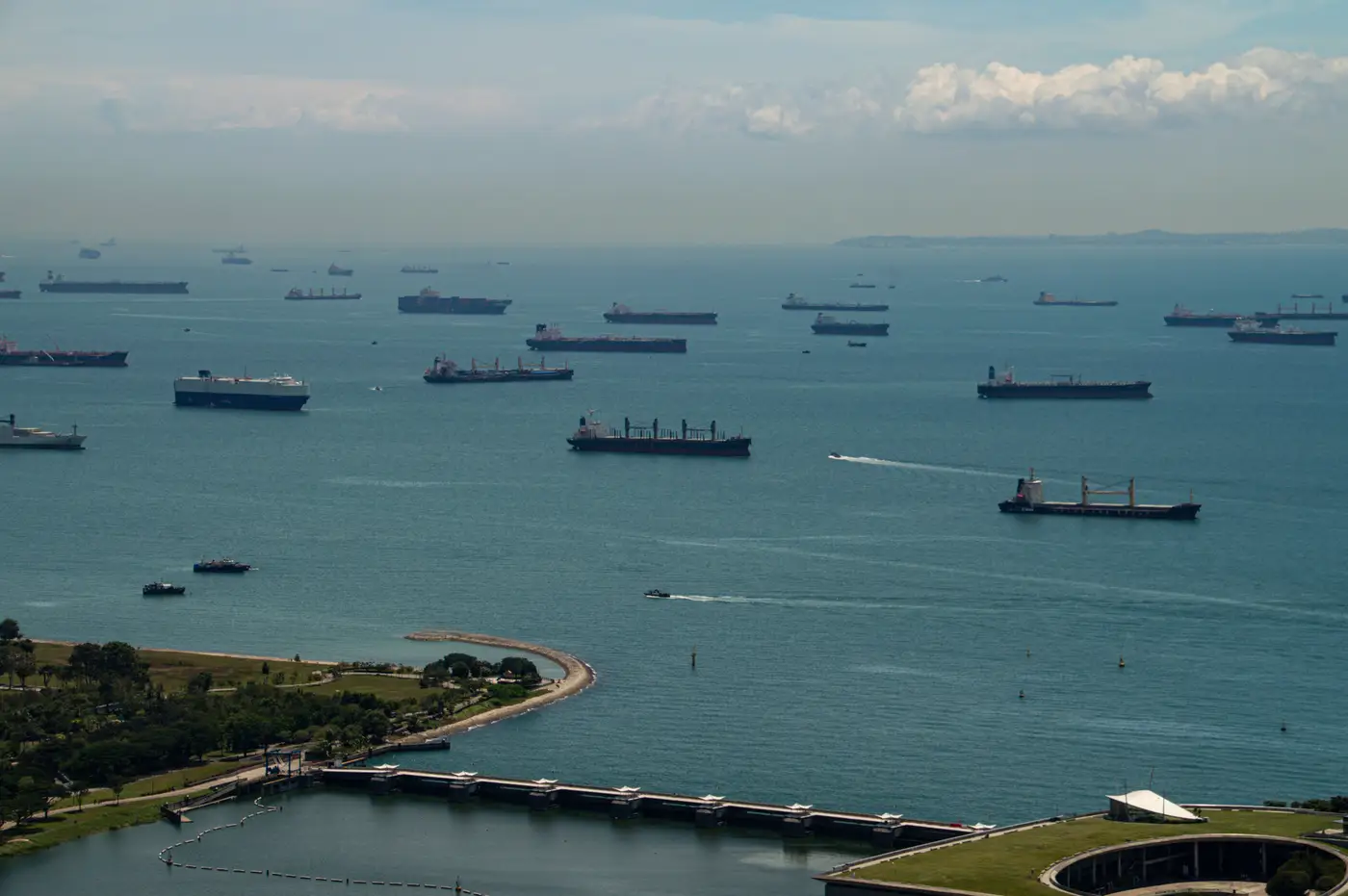
Fourteen vessels at anchor on a Monday. Twenty-nine by Thursday. Nobody on the desk flagged it until the following Monday, when a broker mentioned in passing that laycan at the terminal had "gone a bit soft." By then the queue had been sitting at or above twenty-five for six straight days.
This shape repeats often enough, across different ports and different cargoes, to call it a pattern: the anchorage fills before anyone downstream has a reason to look.
Here's how it plays out. A terminal loses a berth to maintenance, or a dredging window closes early, or two cape-size parcels that were meant to load a week apart end up competing for the same slot. None of that shows up in a market report. It shows up as ships sitting still, engines idling, masters sending position reports nobody outside the owner's office reads. The agent on the ground knows, obviously, because he's fielding calls from four different masters asking when they'll get a berth. But the agent's job is to manage the vessels in front of him, not to broadcast a queue count to every charterer with cargo booked three weeks out.
So the information exists. It just sits in the wrong place for a while.
What tends to break the silence is one of two things: an owner's claim for demurrage that's bigger than expected, or a broker who's heard the same complaint from three different ship's agents in one week and starts asking around. Either way, the desk finds out after the fact. The exposure was accruing the whole time. Demurrage doesn't wait for the telex to catch up. It runs from the moment laytime starts counting, whether or not anyone back in the office has registered that a queue even exists.
The three-day lag in the example above isn't unusual; if anything it's on the fast side. We've seen gaps closer to a week between a queue visibly building and that detail reaching a trading desk through the normal channels: agent updates, broker calls, the occasional WhatsApp screenshot from a master. Each of those channels is slow for a different reason. Agents report on the vessels they're handling, not the ones stacking up behind them. Brokers trade on relationships and gossip, which is fast but patchy. And masters report what their own charter party requires, nothing more.
None of that is a failure of any one party doing their job badly. Nobody in that chain is tasked with counting ships at anchor and watching the number move. The count ends up as a side effect of everyone else's paperwork.
That gap between a queue forming and someone with a laycan position noticing it is where demurrage exposure quietly builds. A desk that's pricing a fixture, or deciding whether to push a nomination, is working off whatever update came in last, which might be four or five days stale by the time it lands in an inbox. The queue itself doesn't care about the lag. It just keeps growing until a terminal clears it or a storm scatters it.
We built a daily count of vessels at anchor, tracked over time, because the gap between a queue building and someone noticing it is exactly where this kind of cost hides. It runs alongside the agent's telex and shows the desk the queue moving days before that telex lands.
If you've got cargo on laycan at a port with a reputation for backing up, it's worth watching the anchorage directly instead of waiting on the usual chain to pass the word along.