Field notes: the week the broker swore the anchorage was empty
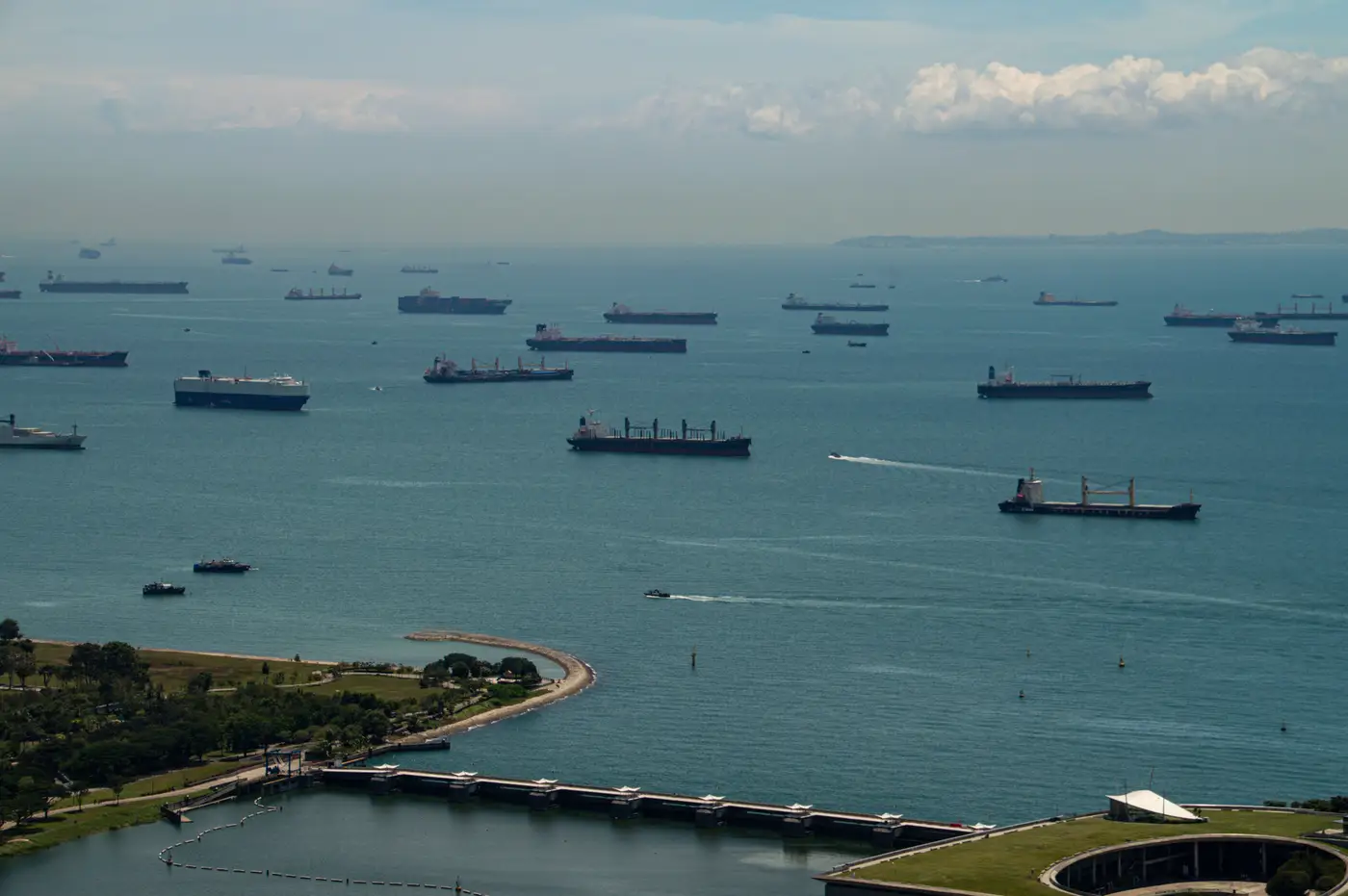
Last laycan season, on a run into a West African discharge port, our broker came back with the line every charterer has heard a version of: "Anchorage is clear, vessel will berth on arrival." It's the sentence that gets a fixture done at the price everyone wants. More often than anyone in this trade likes to admit, it's also built on a two-week-old port call and a feeling.
We had our own count running on that anchorage for the prior month, and it told a different story. The queue had crept from four or five vessels at anchor to eleven over about ten days, with no corresponding uptick in berth throughput that anyone could point to. Eleven boats sitting outside a port that supposedly had an open berth waiting means the broker's snapshot was already a week behind the water.
This is the part of the job nobody puts in the fixture note: the agent's telex is a lagging indicator by design. It reports what happened at the berth, not what's quietly building at anchor. A vessel reports NOR, the agent confirms, the report goes out, and somewhere in that chain is a day or two of delay baked in before the information reaches a charterer's desk. By the time "anchorage clear" or "anchorage congested" reaches you secondhand, the queue has usually already moved past whatever state the sentence describes. Brokers are repeating the last report they got, accurate at the moment someone radioed it in and already aging by the time it reaches you.
What we did instead, once we had the count in hand, was push the laycan narrower and hold firmer on demurrage terms than we might have otherwise. The vessel arrived to find nine ships at anchor and a two-and-a-half day wait. Not the broker's "straight in," not a disaster either, just the queue in between. The difference between those two outcomes, in a demurrage calculation on a decent-sized stem, is not small money.
The thing that got us paying attention to anchorage counts in the first place wasn't a bad fixture, it was a pattern across a few of them. Queue build-up at anchor moves in trends more than straight lines, visible if you're looking at a daily series instead of waiting for the next port call. A queue that's climbed steadily for a week behaves differently than one that spiked overnight and is already clearing. The broker's snapshot can't tell you which one you're looking at. A series can.
None of this is a knock on brokers. Their information is honest, and it's also structurally behind the curve, because it depends on someone reporting in from the anchorage rather than someone watching it. What actually closes that gap is a second source that doesn't wait for anyone to report in.
That's the gap Port Congestion Watch is built to close: a daily vessel count at anchor outside a named port, tracked over time, so you've got a congestion series sitting next to the broker's word rather than instead of it. When the two agree, you fix with confidence. When they don't, you ask a harder question before you commit the laycan, which is the cheaper place to ask it.
We still take the broker's call. We just don't take it as the only call anymore. The anchorage doesn't check in with anyone before it fills up, and a count that updates on its own schedule has a way of catching what a telex, through no fault of the person sending it, catches a few days too late.
If you've got a port on your book where the queue keeps surprising you after the fixture's signed, that's exactly the kind of week this was built for.