SOF vs NOR: the difference between the two laytime documents
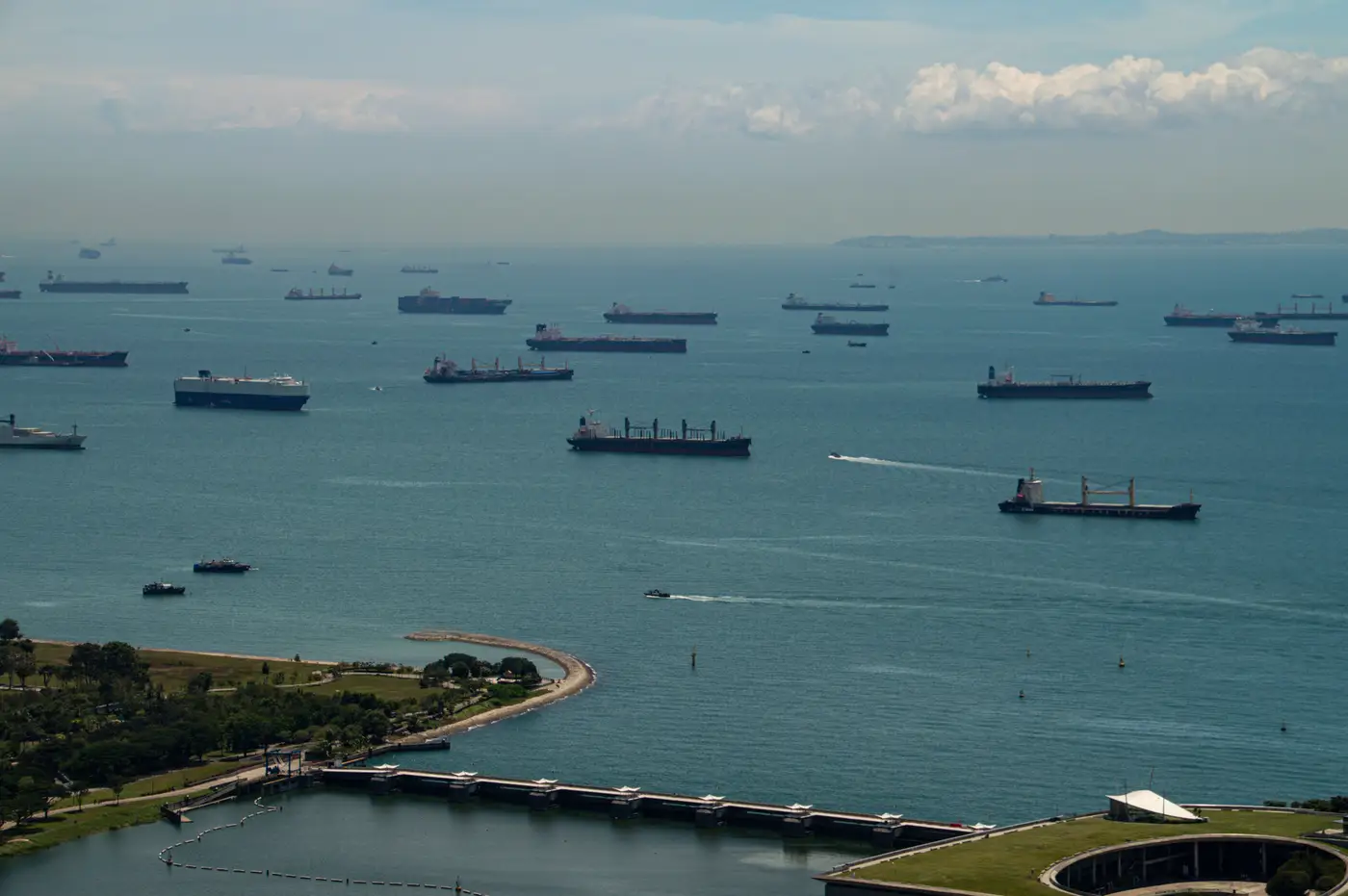
Two pieces of paper decide most laytime arguments, and they're not the same document doing double duty. The Notice of Readiness and the Statement of Facts get filed together in the same voyage pack, which is probably why new ops hands mix them up. They cover different windows of time and they're produced by different people for different reasons.
What the NOR actually does
The Notice of Readiness is a single notice, tendered once, by the master, when the vessel arrives at the port or anchorage and is in all respects ready to load or discharge. That's it. It's a trigger, not a record. Under most charter parties the laytime clock starts running a fixed number of hours after NOR is tendered and accepted, whether that's six hours, twelve, or the next working period depending on the laycan wording.
The fight almost never happens over whether NOR was tendered. It happens over whether the vessel was entitled to tender it. Charter parties define an "arrived ship" differently: some require the vessel to be at the berth, others allow NOR from the customary anchorage, and plenty use WIBON (whether in berth or not) language precisely to avoid that argument. If a vessel drops anchor outside a congested port and the master fires off NOR while twenty other ships are already sitting in the queue ahead of it, the owner and charterer can read the same charter party clause and land in opposite places on when laytime began.
What the SOF records instead
The Statement of Facts is the chronological log of everything that happened during the port call, usually drafted by the agent and countersigned by master and charterer's representative, or disputed line by line if nobody agrees. Anchored, NOR tendered, NOR accepted, shifted to berth, hoses connected, commenced loading, rain stopped work, completed, documents on board, vessel sailed. Every entry has a timestamp. This is the document that gets fed into the laytime calculation, line by line, to work out time used against time allowed, and from there, demurrage or despatch.
Where the NOR is a moment, the SOF is a narrative. And it's the narrative where the real money sits, because a vessel can spend four days swinging at anchor between NOR tender and berthing, and whether that time counts as laytime or not depends on charter party terms, port congestion, and what the SOF says happened during those four days versus what the master's log or an owner's P&I correspondent claims happened.
Where the two documents collide
The disputes that end up with lawyers involved are almost always about the gap between them: NOR tendered on day one, SOF showing berthing on day five, and both sides arguing over whether that anchorage time counts toward laytime or gets excluded as time lost waiting for berth under the charter party's specific wording. Congestion at the discharge port is the single biggest driver of that gap. A charterer who only sees the agent's telex after the fact is working from whatever version of events the agent and owner have already agreed between themselves.
That's the blind spot a running count of vessels at anchor is built to close. An independent, dated record of how many ships were queued outside the port on the day NOR was tendered, and how that queue moved day by day, gives a charterer something to check the SOF against before signing it, rather than after the demurrage claim lands. Port Congestion Watch builds that record from repeat satellite passes over the anchorage, tracked as a daily series, so you're not relying solely on the agent's version of when the queue started moving.
If you fix cargoes into ports that run congested often, get in touch with Port Congestion Watch and start checking the anchorage count against the SOF before the numbers get baked into a claim.