What is a laycan, and why a congested anchorage can blow through it
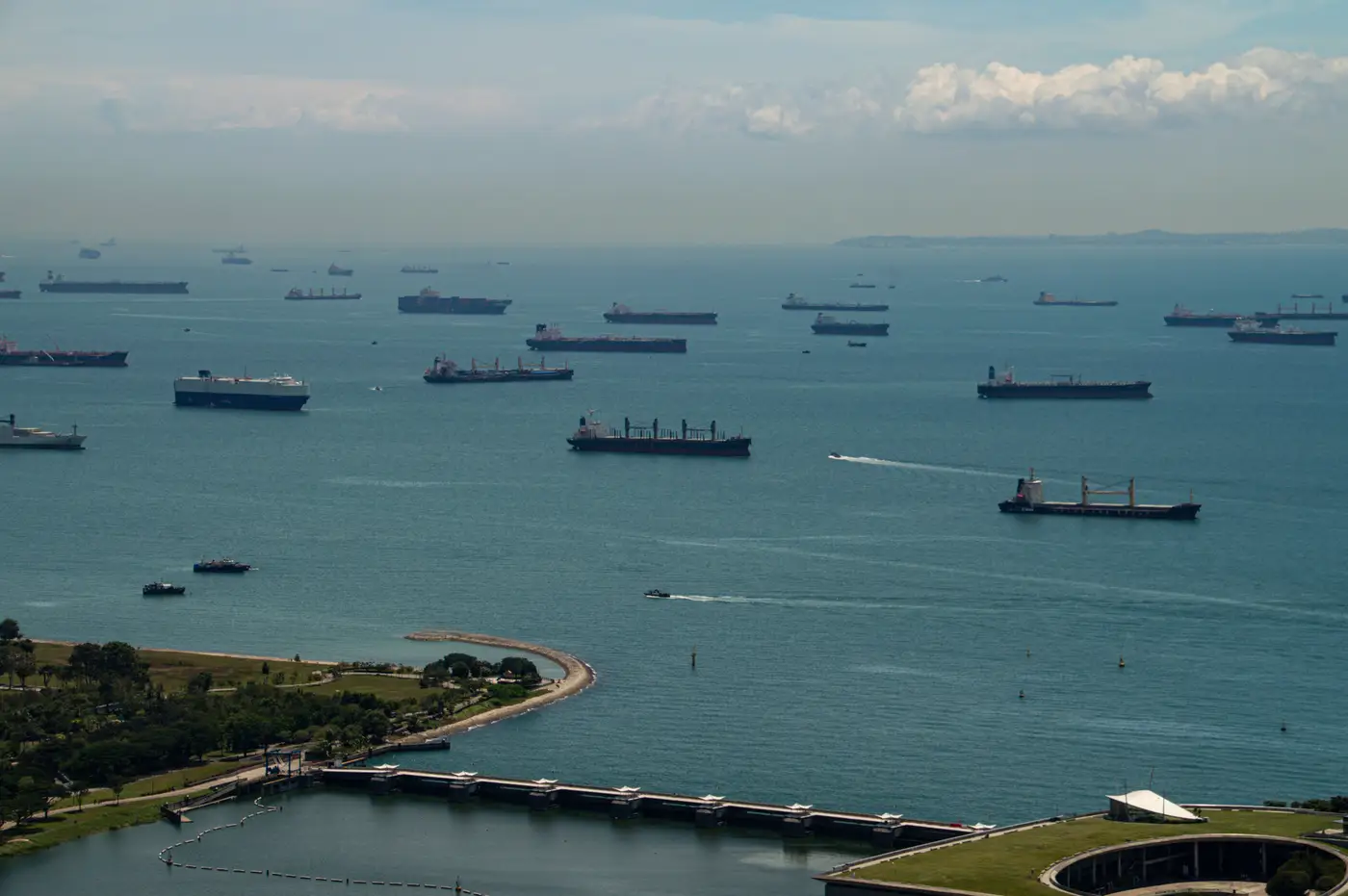
A laycan is two dates in the charter party: the earliest day the vessel can tender notice of readiness, and the day after which you're entitled to cancel if she hasn't arrived. Laydays/cancelling, most fixture notes just call it laycan. It sounds simple on the recap. It gets messy fast once the vessel shows up at a port that's running thirty ships deep at anchor.
What a laycan controls
The laycan window exists to protect both sides of the fixture. The owner gets a defined period to present the vessel ready to load or discharge. The charterer gets the right to walk away, cancel the charter, and re-fix elsewhere, if the vessel misses the back end of that window. NOR tendering inside laycan is what starts the laytime clock, subject to whatever notice-turn-time the charter party sets (six hours, twelve hours, whatever you negotiated).
None of that math assumes a queue. It assumes a berth is reasonably available when the vessel arrives and NOR is tendered. That assumption is where the trouble starts.
Where congestion breaks the laycan math
A vessel can arrive well inside laycan, tender NOR on time, and still blow through your laytime budget because she's sitting at anchor behind twenty other ships waiting for the same two berths. Whether that waiting time counts against laytime depends entirely on the clause you fixed on. WIBON (whether in berth or not) and WIPON (whether in port or not) terms let laytime run from a valid NOR regardless of berth availability. Without those terms, or under a straight berth charter, the clock doesn't start until she's actually alongside, and every day in the queue is a day of free time burning against nobody's account but the vessel's schedule.
Either way, congestion turns a laycan from a scheduling formality into a demurrage argument. If the vessel's stuck at anchor and laytime is running, you're accruing demurrage exposure before cargo ops even begin. If laytime isn't running because she's not berthed, you're watching a cancelling date approach with no certainty the vessel gets a berth before it. The owner's broker will tell you berth prospects are "improving." The charterer's agent on the ground will tell you something closer to reality. Those two reports rarely land the same week, and the gap between them is exactly where laycan risk lives.
The part that costs you
The anchorage doesn't care what your fixture note says. A port running a long queue, say a grain terminal mid-harvest or a refinery product berth backed up after a storm closure, will hold vessels for days regardless of whose charter party has the tighter cancelling clause. The outcome turns on how early you see the queue building and whether you can decide to extend, re-nominate, or cancel before the laycan expires, instead of after your agent's telex confirms what already happened.
That's the gap a daily vessel count at anchor closes. Seeing how many ships are sitting outside a port on a given day, and whether that number's climbing or clearing, tells you whether a laycan extension is a formality or a fight weeks before the agent's report catches up. Port Congestion Watch builds that picture from repeat passes over the anchorage, tracked as a series, so the queue build-up shows up on your screen before it shows up in someone else's telex.
A few things to check before you fix a tight laycan
- Which clause governs NOR: WIBON, WIPON, or a straight berth term. This decides whether anchorage time counts at all.
- Whether the charter party has a congestion surcharge or extended laytime allowance for named ports known to run queues.
- Whether your berth-availability read is fresh, independent of how recent the broker's update sounds.
A laycan is only as good as your read on the queue behind it. If you're fixing into a port with a history of anchorage pile-ups, it's worth watching that queue directly rather than waiting on word from the dock.