Despatch money explained: how it differs from demurrage
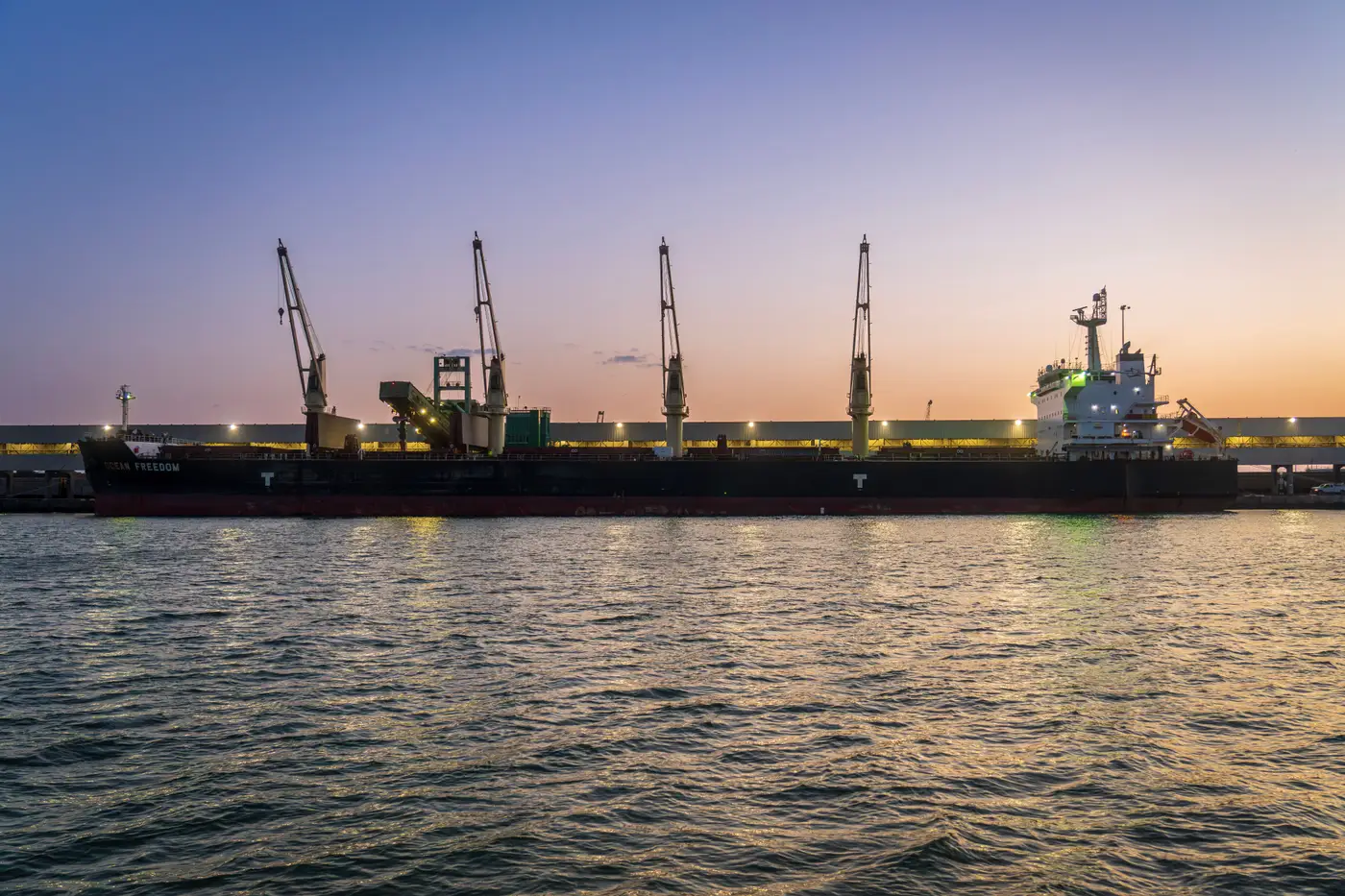
Every laytime clause has two possible outcomes once the vessel finishes loading or discharging. Either the operation ran long and the charterer owes demurrage, or it finished early and the owner owes the charterer despatch money. Charterers track demurrage closely because it's the clause that costs money more often. Despatch gets less attention, but it runs the same clock in the other direction.
What despatch money is
Despatch is a rebate. If the charter party allows, say, five laying days for discharge and the cargo clears in three and a half, the owner pays the charterer for the time saved. The logic is simple: the vessel is back in the owner's hands sooner, free to fix its next employment, so the owner shares some of that value with the charterer who made it happen by working the cargo fast.
The rate is set in the charter party, usually as "half demurrage" but sometimes at a flat figure agreed at fixture. Half demurrage is the market default for a reason. A full demurrage-rate despatch would make owners indifferent to fast turnarounds, since they'd pay out the same amount either way. Setting despatch lower keeps the owner's interest aligned with getting the ship away quickly, while still giving the charterer a reward for beating laytime.
Despatch is calculated on time saved, not on the whole laytime allowance. If five days were allowed and three and a half were used, you're not claiming despatch on five days, you're claiming it on the one and a half days saved. That distinction trips up people doing a back-of-envelope estimate before the laytime statement is final.
Despatch vs demurrage in the charter party
The two clauses sit next to each other in most forms (Gencon, Asbatankvoy, and the various tanker and dry bulk variants all handle it similarly) but they don't mirror each other in every respect.
Direction of payment. Demurrage flows from charterer to owner. Despatch flows the other way, from owner to charterer, using the same laytime calculation.
Rate. Demurrage is usually the full daily rate agreed at fixture. Despatch is commonly half that rate, though the fixture note states the figure and it's worth checking rather than assuming.
What triggers it. Demurrage is triggered the moment allowed laytime expires and the vessel is still working, or waiting to work, on the charterer's time. Despatch is triggered only if operations finish inside the laytime allowance and the charter party provides for it. Some charter parties are silent on despatch or expressly exclude it, which means a fast turnaround earns nothing extra even though it saved the owner time.
Who disputes it. Demurrage disputes tend to be adversarial because real money is owed by the charterer. Despatch claims are smaller in absolute terms and get settled with less friction, though owners still check the laytime statement line by line before paying out.
One wrinkle worth knowing: despatch is usually calculated on all time saved, including Sundays and holidays, even where the laytime allowance itself excludes those days (the "SHEX" or similar provisions). That's a quirk of the standard clauses, and it means despatch can look generous relative to how the laytime was counted during loading or discharge.
Why the timing matters more than the definition
The arithmetic behind despatch and demurrage is settled stuff. What moves a charterer's P&L is knowing, in real time, whether the vessel is tracking toward an early finish or a blown laytime allowance, and that depends on how long she's been sitting at the anchorage before berthing even starts. The notice of readiness clock and the laytime clock are two different things, and the gap between them is where congestion quietly eats into despatch or builds toward demurrage long before the agent's telex says so.
That's the gap a daily vessel count at the anchorage is built to close: watching how the queue outside a given port is building or clearing, day by day, so you're not waiting on the agent to tell you the ship has been sitting longer than the laytime allowance assumed. Port Congestion Watch tracks that queue so you can see it coming before it shows up as a demurrage claim.