What is FIFO berthing, and why doesn't it always hold at busy anchorages?
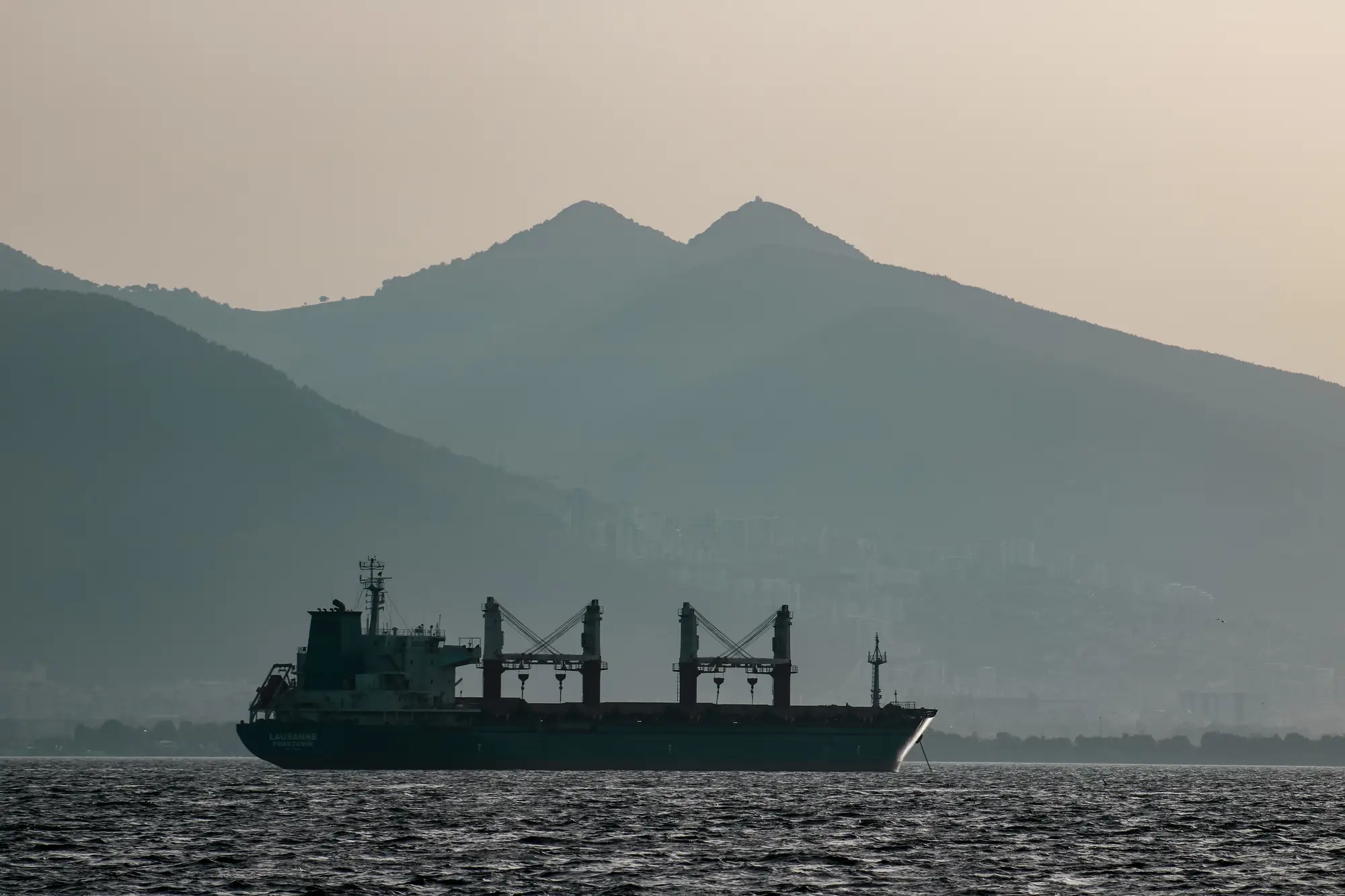
Every charter party assumes an order to the queue. The fixture note might not spell out "first in, first out," but everyone on the trading desk treats arrival order as the default: tender NOR, join the anchorage, wait your turn. In practice, "first in, first out" is a convention port authorities apply loosely, and it bends more often than people planning laytime would like once an anchorage gets busy.
How FIFO is supposed to work
In theory, berth allocation follows the order vessels arrive at the pilot station or anchorage and tender notice of readiness. The harbor master or VTS keeps a sequence, and as berths free up, the next vessel in line gets called forward. This works fine when traffic is light and berths and cargo types line up cleanly. It's also the assumption baked into most laytime calculations: a charterer tenders NOR, counts the time until berthing (laytime or time lost waiting for berth, depending on the charter party), and expects that clock to track roughly with queue position.
At a quiet port, that holds up well enough that nobody questions it. At a congested one, with a dozen or more vessels stacked at anchor, the gap between "arrived first" and "berthed first" starts to matter a great deal to the demurrage calculation.
Where the queue actually breaks
Port authorities and terminal operators have their own priorities, and arrival order isn't usually the only one on the list. A few of the common overrides:
Draft and tide windows. A berth might be free, but the next vessel in strict arrival order draws too much water for the current tide. The port will often call forward a smaller or lighter vessel behind it rather than hold the berth idle waiting for the tide to turn.
Cargo readiness. If the vessel first in line is still waiting on stowage plans, surveyor clearance, or a hold inspection, and the next one in the queue is cargo-ready now, terminals frequently move the ready vessel up rather than sit the berth empty.
Scheduled liner and government cargo. Container services on fixed rotations, naval vessels, and certain government-nominated cargoes get contractual or regulatory priority at many ports regardless of anchorage arrival time.
Terminal relationships and throughput targets. A terminal operator juggling its own berth productivity numbers has an incentive to slot in whichever vessel loads or discharges fastest, and long-standing charterers or regular callers sometimes get a nod that a one-off spot vessel doesn't.
Port congestion management directives. During periods of heavy anchorage buildup, some port authorities issue their own sequencing rules, sometimes prioritizing by vessel size, sometimes by cargo category, that explicitly supersede pure arrival order until the backlog clears.
None of this is necessarily improper. It's how ports manage a finite number of berths against an uneven mix of vessels and cargo. But it means a vessel's position in the anchorage count on any given day isn't a reliable predictor of when it actually ties up.
What this means for laytime and demurrage
The commercial exposure here isn't abstract. If your vessel tenders NOR and sits at anchor while three vessels that arrived after it get called forward first, the owner's claim for time on demurrage doesn't pause to explain why. Disputes over WIPON/WIBON clauses, valid NOR tendering, and whether delay was within the charterer's control often trace straight back to a queue-jump nobody flagged until the laytime statement arrived.
Track the anchorage itself while the fixture is live: how many vessels are sitting there, whether that count is growing or thinning, and how your vessel's wait compares to the pattern of recent turnarounds at that berth. That beats raising FIFO with the harbor master after laytime closes. That's the gap Port Congestion Watch is built to close, with a daily vessel count at anchor tracked as a series so you can see the queue building before the agent's update confirms it.
If you're fixing into a port known for its anchorage backlogs, it's worth watching that queue directly rather than assuming the order you joined it in is the order you'll leave it.